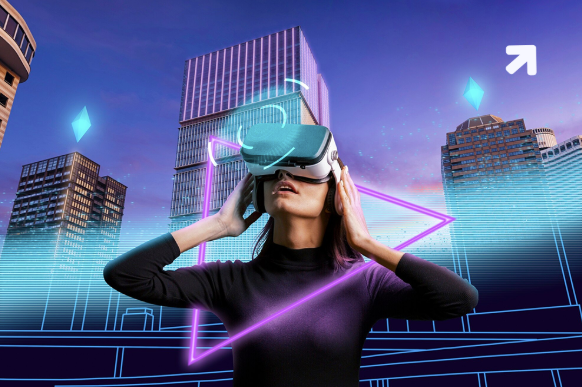
Virtual Reality Gaming Trends
The landscape of virtual reality gaming is undergoing significant transformation. Standalone VR headsets are gaining traction due to their affordability and wireless convenience. This shift is not only broadening the user base but also altering social dynamics within virtual environments. Additionally, artificial intelligence is personalizing gameplay experiences, leading to tailored challenges. As VR applications expand beyond gaming, the implications for various sectors remain profound. What future developments might emerge from these trends?
The Rise of Standalone VR Headsets
In recent years, a significant shift has occurred within the virtual reality (VR) market, marked by the increasing popularity of standalone VR headsets.
These devices offer wireless convenience, liberating users from cumbersome cables and external hardware.
Furthermore, their emergence has led to more affordable options, attracting a broader demographic.
This trend reflects a growing desire for accessible, immersive experiences that foster individual freedom in gaming.
Enhanced Social Interactions in Virtual Spaces
As the landscape of virtual reality gaming evolves, enhanced social interactions in virtual spaces have emerged as a pivotal aspect of the user experience.
Virtual meetups facilitate meaningful connections, allowing players to engage in immersive experiences that transcend geographical barriers.
Data indicates that these social dynamics significantly increase user retention and satisfaction, ultimately fostering a sense of community and freedom within the gaming environment.
The Impact of Artificial Intelligence on Gaming
While the integration of artificial intelligence (AI) in gaming has traditionally focused on enhancing non-player character (NPC) behavior, its influence now extends far beyond this foundational role.
AI advancements facilitate game personalization, allowing players to experience unique narratives and challenges tailored to their preferences.
This evolution not only enhances immersion but also fosters a deeper connection between the player and the game environment, promoting a richer gaming experience.
See also: nestedmagazine
Expanding Horizons: VR Beyond Gaming
Despite its origins in gaming, virtual reality (VR) technology is rapidly transcending entertainment boundaries, finding applications across various sectors such as education, healthcare, and real estate.
In VR education, immersive environments enhance learning experiences, while immersive therapy offers innovative treatment options for mental health.
Additionally, virtual tourism provides unique travel experiences, and remote collaboration tools facilitate seamless teamwork, reshaping how people connect and interact globally.
Conclusion
In conclusion, the trends in virtual reality gaming suggest a transformative shift that extends beyond mere entertainment. While some may argue that the immersive nature of VR could lead to social isolation, the evidence points to enhanced community engagement within virtual spaces. This duality of connection and escapism highlights VR’s potential to foster meaningful interactions, thereby enriching both individual experiences and collective enjoyment, ultimately positioning virtual reality as a pivotal force across various sectors of society.