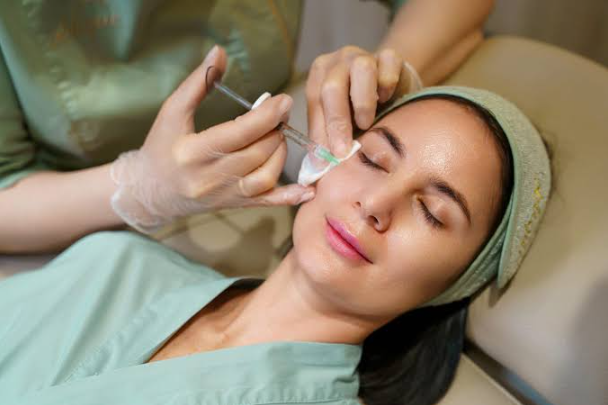
Polynucleotides: The Injectable Skin Treatment Redefining Rejuvenation
Every few years, aesthetics gets a treatment that moves from niche to mainstream seemingly overnight. Polynucleotides are having that moment. Praised by dermatologists and loved by patients, this injectable has built a loyal following for one simple reason: it improves the skin itself rather than just filling lines or freezing muscles. Here’s what polynucleotides are, how they work, and whether they might be right for you.
What Are Polynucleotides?
Polynucleotides are chains of nucleotides — the building blocks of DNA — derived from purified salmon DNA. Before that detail raises eyebrows, it’s worth knowing that fish-derived DNA has been used safely in medicine for decades, and the purification process removes all proteins, leaving only the nucleotide fragments.
When injected into the skin, these fragments interact with the skin’s own repair mechanisms. They don’t add volume the way dermal fillers do, and they don’t relax muscles like anti-wrinkle injections. Instead, they act as a signal to your skin to repair and regenerate itself — stimulating fibroblasts (the cells responsible for collagen and elastin production), improving hydration at a cellular level, and supporting tissue healing.
Think of it less as camouflage and more as restoration.
Why Everyone Is Talking About Them
The appeal lies in the quality of the results. Where fillers can sometimes look “done” when overused, polynucleotides produce changes that look like better skin, not different skin. Patients typically report:
- Improved skin texture and elasticity
- A reduction in fine lines and crepiness
- Better hydration that lasts
- A fresher, more rested appearance overall
The treatment has become particularly famous for the under-eye area — one of the hardest zones to treat effectively. Thin, crepey skin under the eyes responds poorly to fillers and isn’t suitable for anti-wrinkle injections in most cases. Polynucleotides, by improving the skin’s own structure, offer a genuine solution where few alternatives existed.
See also: Turbine Blade Blending: Best Practices for Repair, Performance, and Extended Service Life
Where They Can Be Used
While under-eyes are the star application, polynucleotide skin treatment is used across the face and beyond:
- Under-eyes — crepiness, fine lines, dark appearance caused by thin skin
- Full face — overall skin quality, dullness, fine lines
- Neck and décolletage — areas that age visibly but are often neglected
- Hands — one of the first places to show age
- Scalp — emerging use for supporting hair health
What the Treatment Involves
A polynucleotide session is relatively quick — typically 30 minutes. After a topical numbing cream, the practitioner injects tiny amounts of the product just under the skin in the treatment area. The technique matters here: skilled placement ensures even distribution and natural results, so choosing an experienced practitioner is important.
Most protocols involve two to three sessions spaced a few weeks apart, followed by maintenance once or twice a year. Results build gradually rather than appearing overnight — you won’t walk out looking dramatically different, but over the following weeks, the skin visibly improves in texture and firmness.
Downtime and Side Effects
One of the treatment’s selling points is its gentleness. Downtime is minimal: you may have small bumps at the injection points for a day or two, and mild redness or swelling is possible, particularly in the delicate under-eye area. Most people return to normal activities the same day or the next.
Serious side effects are rare when the treatment is performed by a qualified practitioner. As with any injectable, the practitioner’s training and experience are the single biggest factor in both safety and results.
Polynucleotides vs. Other Injectables
It’s useful to understand where polynucleotides sit in the treatment landscape:
- Dermal fillers add volume and structure. Best for restoring lost volume in cheeks, lips, and deeper lines. They change shape; polynucleotides change quality.
- Anti-wrinkle injections relax specific muscles to smooth dynamic lines. They prevent creasing; polynucleotides improve the canvas itself.
- Skin boosters (like hyaluronic-acid-based Profhilo) hydrate and improve elasticity. Similar philosophy, different mechanism — polynucleotides go further into tissue regeneration.
In practice, many practitioners combine treatments: polynucleotides to improve skin quality, with fillers or anti-wrinkle injections addressing specific structural concerns. A good consultation will map out what your skin actually needs rather than selling a single product.
Who Benefits Most?
Polynucleotides are ideal if your concern is skin quality rather than volume loss — dullness, fine lines, crepey texture, tired-looking eyes, or skin that just doesn’t bounce back the way it used to. They suit patients who want noticeable improvement without looking “treated,” and they work well across age groups, from younger patients addressing early signs of ageing to more mature skin needing regeneration.
Choosing a Clinic
Because technique matters so much with this treatment, clinic choice counts. Look for practitioners with specific training in polynucleotide protocols, who take time to assess your skin properly, and who are honest about whether the treatment is right for you — not every concern needs an injectable, and a good clinic will say so.
The Bottom Line
Polynucleotides represent a shift in how aesthetics thinks about rejuvenation: from adding and freezing to repairing and regenerating. The results are subtle in the best way — skin that looks healthier, fresher, and more resilient because it genuinely is. In a field sometimes criticised for artificial outcomes, that’s a refreshing direction.