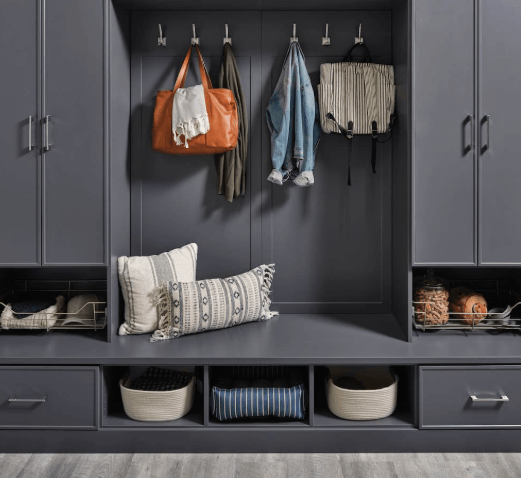
Entryway Closet Organization Tips
Entryway closet organization begins with a focused declutter to separate essentials from extras. Assess items by function—keys, shoes, coats, mail—and remove duplicates or outdated pieces. Adjustable shelves plus labeled bins and accessible hooks maximize space and ease of use. A simple daily routine helps: return items to their zones, perform a quick reset, and log usage to spot gaps. Seasonal gear can be rotated, and regular audits keep the system stable. The next steps reveal practical layouts and setup details.
Declutter and Assess: Decide What Truly Belongs in the Entryway
Deciding what belongs in the entryway begins with a focused declutter and assessment. A clear declutter mindset guides the process, separating essentials from extras. Assess belongings by function: keys, shoes, coats, mail. Remove duplicates, discard outdated items, and designate a minimal set. Maintain momentum with short reviews, keep only items that truly serve daily routines, and reconnect with freedom-focused goals.
Maximize Space With Adjustable Shelves and Smart Storage Solutions
Maximize space by using adjustable shelves and smart storage solutions that adapt to daily needs. The approach prioritizes flexibility: install adjustable shelving to reconfigure heights, sections, and volumes as items shift. Pair with smart storage ideas like labeled bins and accessible hooks. This configuration reduces clutter, promotes quick retrieval, and supports a clean, freedom-focused entryway layout.
Create a Daily Routine to Keep the Closet Tidy and Accessible
Establish a simple daily routine that keeps the closet tidy and accessible by carving out a few fixed tasks each day. A third-person frame delivers clear steps: log daily use, return items to their zone, and perform a quick reset before leaving. Build tidy habits through a brief morning and evening check, supporting seasonal gear management and freedom. daily routine.
Personalize and Maintain: Label Systems, Hooks, and Seasonal Gear Management
Labeling and accessory placement streamline daily use and future maintenance. Label systems organize sections, hooks provide flexible hanging options, and seasonal gear management keeps items accessible and rotated. Track store inventory to anticipate needs, avoiding overstock. Implement customization options such as color tags and modular bins. Regular audits maintain order, while clear labels empower independent households seeking freedom and efficiency.
Frequently Asked Questions
How Can I Measure My Entryway Closet Accurately?
A professional measures entryway closets with measuring tools, ensuring accuracy and efficiency. Determine door clearance, depth, width, and height, noting obstructions. Use a calendar-friendly plan, documenting values succinctly, and verify twice for reliable internal planning and free-flowing organization.
What Budget-Friendly Storage Options Work Best?
Budget friendly storage options include modular shelves, over-the-door organizers, labeled bins, and pegboard hooks. These storage ideas deliver hot tips for flexible use, maximize space, and fit affordable budgets, aligning with budget options and freedom-focused organization.
See also: The Role of Technology in Modern Business Innovation
How Often Should I Purge Seasonal Items?
Purge cadence depends on use; roughly quarterly. Like a well-tuned clock, it minimizes seasonal clutter. The routine should reassess items, guiding removal decisions, maintaining freedom while sustaining order. Implement reminders, record outcomes, and adjust thresholds as needed.
Which Hooks and Rods Are Best for Heavy Gear?
Heavy duty hooks and wall mounted rods are recommended for heavy gear. Use sturdy mounting hardware, spaced evenly, and anchor into studs. Follow organizational tips: label zones, group by weight, and keep frequently used items accessible for freedom of movement.
Can I Use Bins Without Closing Doors or Shelves?
Bins can work; doorless storage is feasible with clear bins and accessible labeling. The approach favors airiness and quick access, yet doors offer containment. Bin organization without doors suits free-spirited spaces and functional, organized entryways.
Conclusion
In the end, the entryway closet proves nothing short of immaculate—until you realize you still can’t find your keys. The system promises efficiency, yet the daily ritual demands a meticulous rollback of every item from coats to mail. Ironically, the more you organize, the more you notice all the things you don’t actually need. Still, you’ll restock the bins, straighten the shelves, and dutifully log usage—smugly certain you’ve achieved freedom, one labeled bin at a time.