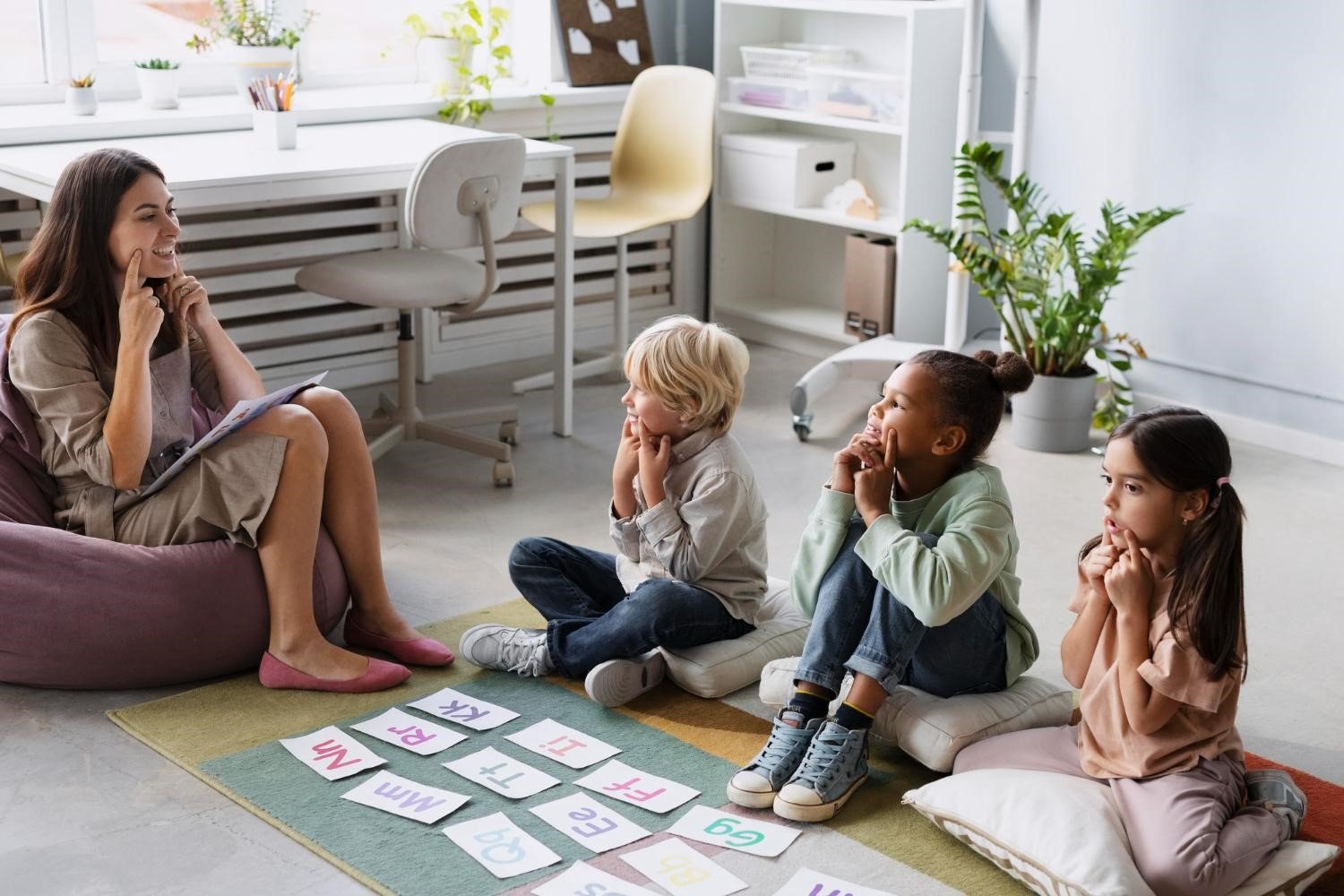
The Benefits of Play Therapy for Kids Facing Anxiety and Stress
Introduction
Children experience anxiety and stress just like adults, but they often express these emotions differently. Instead of talking about their worries, they may become withdrawn, irritable, fearful, or exhibit behavioral changes at home or school. Since children are still developing their communication skills, it can be difficult for them to explain what they are feeling. This is where play therapy for kids becomes a valuable therapeutic approach.
Play is a child’s natural way of learning, expressing emotions, and understanding the world around them. Through carefully planned therapeutic activities, children can communicate their feelings in a safe and supportive environment without relying solely on words. A trained therapist uses play as a bridge to help children process difficult emotions, build confidence, and develop healthier coping skills.
Families often seek play therapy when their child struggles with persistent anxiety, overwhelming stress, emotional outbursts, or major life transitions. Whether a child is coping with family changes, school pressures, social difficulties, or traumatic experiences, therapy provides them with tools to better understand and manage their emotions.
This article explores how play therapy works, its benefits for children facing anxiety and stress, and what parents can expect throughout the therapeutic process.
Understanding Play Therapy
What Is Play Therapy?
Play therapy is a specialized form of counseling designed specifically for children. Rather than expecting children to communicate like adults, therapists use toys, games, art materials, storytelling, role playing, and imaginative activities to encourage emotional expression.
Children often reveal their thoughts and feelings through their play. During therapy sessions, these activities become opportunities for therapists to understand the child’s emotional experiences while helping them develop healthier ways of coping.
Unlike ordinary playtime, therapeutic play has clear goals. Every activity is carefully selected based on the child’s emotional, behavioral, and developmental needs.
Why Children Communicate Through Play
Young children frequently lack the vocabulary needed to describe complex emotions such as fear, guilt, sadness, embarrassment, or anxiety. Instead, these feelings often appear through behaviors such as:
- Frequent crying
- Separation anxiety
- Trouble sleeping
- Aggressive behavior
- Withdrawal from family or friends
- Difficulty concentrating
- School avoidance
- Frequent stomachaches or headaches without medical causes
Play allows children to express these emotions naturally while feeling comfortable and understood.
Understanding Anxiety and Stress in Children
Common Causes of Anxiety
Children may experience anxiety for many different reasons, including:
- Starting a new school
- Academic pressure
- Bullying
- Family conflict
- Divorce or separation
- Moving to a new home
- Loss of a loved one
- Medical conditions
- Social challenges
- Exposure to traumatic events
While occasional worry is normal, persistent anxiety can interfere with a child’s emotional development and daily functioning.
Signs Parents Should Watch For
Recognizing emotional distress early can make a significant difference in a child’s well being. Some warning signs include:
- Constant worrying
- Fear of being away from parents
- Refusal to attend school
- Mood swings
- Changes in appetite
- Nightmares
- Trouble sleeping
- Low confidence
- Emotional outbursts
- Difficulty making friends
When these symptoms continue for several weeks or begin affecting everyday life, professional support may be beneficial.
How Play Therapy Helps Children Manage Anxiety
Creates a Safe Emotional Space
Children often worry about being judged or misunderstood when discussing difficult emotions. Therapy sessions provide a secure environment where children can explore their feelings freely.
Instead of asking direct questions that may feel overwhelming, therapists encourage expression through activities that feel familiar and enjoyable.
This relaxed environment helps reduce emotional pressure and encourages honest communication.
Helps Children Identify Their Feelings
Many anxious children struggle to recognize exactly what they are experiencing.
Through imaginative activities, storytelling, drawing, and pretend play, children gradually learn to identify emotions such as:
- Fear
- Anger
- Sadness
- Confusion
- Loneliness
- Frustration
- Worry
Learning to recognize these emotions is the first step toward managing them effectively.
Encourages Healthy Emotional Expression
Children sometimes express anxiety through behaviors instead of words.
For example:
- Tantrums
- Crying
- Aggression
- Withdrawal
- Avoidance
Therapeutic activities teach healthier ways to express these emotions safely.
Children begin understanding that all feelings are acceptable, while learning positive ways to respond to those emotions.
Reduces Stress Through Creative Activities
Creative expression naturally lowers stress levels for many children.
Therapists may use activities such as:
- Drawing
- Painting
- Clay modeling
- Building blocks
- Puppet play
- Dollhouses
- Sand trays
- Storytelling
These activities provide opportunities for relaxation while allowing children to process difficult experiences without feeling pressured.
Builds Emotional Resilience
One of the greatest benefits of play therapy is helping children develop resilience.
Instead of simply removing stress, therapy teaches children how to:
- Solve problems calmly
- Adapt to change
- Handle disappointment
- Build confidence
- Face fears gradually
- Develop patience
- Regulate emotions
These skills continue benefiting children long after therapy has ended.
Improves Problem Solving Skills
Many therapy activities involve situations where children must make choices, overcome challenges, or resolve conflicts.
Through guided play, therapists help children:
- Think through problems
- Consider different solutions
- Practice decision making
- Understand consequences
- Develop confidence in handling difficult situations
These experiences strengthen independent thinking while reducing anxiety about unfamiliar situations.
Strengthens Communication Skills
Children dealing with anxiety often struggle to explain their thoughts or ask for help.
Play based activities encourage communication in ways that feel comfortable.
Over time, children become more confident in expressing:
- Their emotions
- Personal needs
- Worries
- Boundaries
- Questions
- Opinions
Improved communication strengthens relationships with parents, teachers, and peers.
Supports Healthy Parent Child Relationships
Many therapists involve parents throughout the therapeutic process.
Parents may receive guidance on:
- Understanding their child’s emotional needs
- Responding calmly to anxiety
- Encouraging healthy coping habits
- Improving communication at home
- Creating supportive routines
As parents gain insight into their child’s emotional experiences, trust and connection often improve.
Helps Children Cope With Major Life Changes
Life transitions can feel overwhelming for children.
Examples include:
- Moving to a different city
- Welcoming a new sibling
- Changing schools
- Family separation
- Loss of a loved one
- Serious illness
- Adoption
- Foster care placement
Through guided activities, children process these changes gradually, making adjustment less frightening and more manageable.
Conclusion
Childhood anxiety and stress can affect emotional development, relationships, learning, and overall well being. Because children often communicate differently than adults, traditional conversations may not always reveal what they are experiencing internally.
Play therapy provides children with a safe, supportive, and developmentally appropriate way to explore emotions, reduce anxiety, and build confidence. Through creative activities, storytelling, games, and imaginative play, children learn valuable coping skills that support healthier emotional growth.
For parents concerned about persistent worry, behavioral changes, or emotional struggles, seeking professional guidance early can make a meaningful difference. With patience, consistency, and the right therapeutic support, children can develop resilience, improve emotional regulation, and feel more confident navigating life’s challenges.
When children are given the opportunity to express themselves in ways that feel natural, they are better equipped to overcome anxiety, manage stress, and thrive both emotionally and socially. If your child is struggling with emotional challenges, contact us today to learn how our compassionate play therapy services can help them build confidence, resilience, and healthy coping skills.