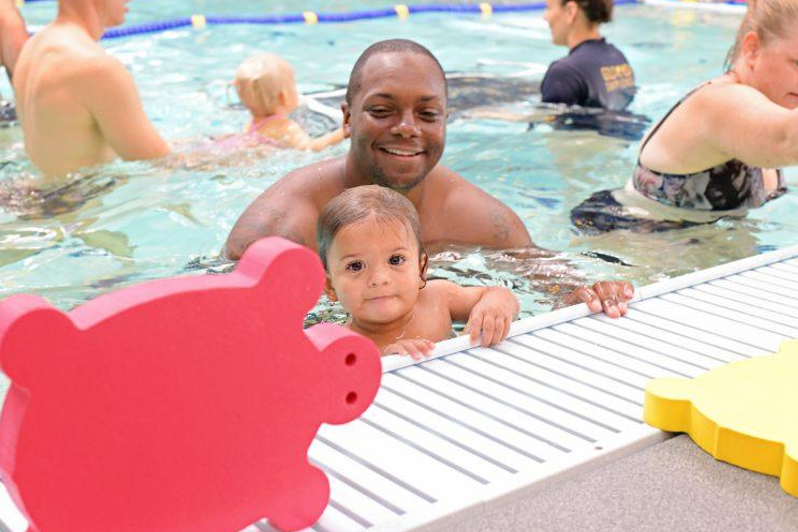
Water Safety Skills Every Child Should Learn Before Summer
Warmer weather means pool parties, backyard splashing, and lake trips are right around the corner, and that also means it’s the season when water accidents happen most. Before the temperature climbs, it’s worth spending a few weeks getting your child comfortable and safe in the water. If you’re short on time, surprise swim lessons can help your child pick up these skills quickly, even if summer is already close.
Most parents assume their kids will “figure it out” once they’re in the pool enough times. Some do. But water safety isn’t something you want to leave to chance, especially with young children who don’t yet understand how quickly things can go wrong in water. A few specific skills make the biggest difference between a scary moment and a real emergency.
Getting Comfortable With Their Face in the Water
This sounds basic, but it’s the skill so many kids skip. A child who panics the moment water touches their face is a child who will panic in a real fall-in situation. Blowing bubbles, dunking gently, and practicing calm breath control aren’t just “starter” activities. They’re the foundation everything else builds on.
Kids who are relaxed with water on their face recover faster if they slip and go under. They know how to hold their breath, reorient themselves, and come back up instead of thrashing.
Learning to Float on Their Back
Floating is often treated as a fun trick, but it’s actually a survival skill. If a child falls into water unexpectedly and can’t swim to the edge, floating buys them time. It keeps their head above water and lets them breathe while they wait for help or figure out their next move.
A good instructor will teach kids to flip onto their back from a stomach-down position, hold a float, and relax their body instead of fighting the water. This one skill, done well, can be the difference in an emergency.
Swimming to the Nearest Exit
Kids need to know more than just “how to swim.” They need to know how to get out. Teaching children to identify the closest wall, ladder, or steps and swim toward it, rather than just moving in whatever direction feels easiest, gives them a practical plan if they end up in water they didn’t expect to be in.
This is especially important for pools with sloped entries or irregular shapes, where the shortest path to safety isn’t always obvious to a child.
Understanding How to Enter Water Safely
Jumping in without checking depth or looking for people below is one of the most common causes of pool injuries among kids. Teaching children to check before they jump, enter feet first in unfamiliar water, and never dive into water they can’t see the bottom of should be part of every lesson plan.
This is also a good moment to talk about diving boards, since so many injuries happen when kids don’t understand how to enter properly from height.
If you’re comparing options for structured lessons, it helps to look at what different swimming schools scottsdale has to offer, since instructor ratios and class structure vary quite a bit from one school to the next. A smaller class size generally means more individual correction, which matters a lot when you’re teaching something as specific as body positioning during a jump or dive.
Treading Water and Staying Calm
Treading water isn’t glamorous, but it keeps kids afloat in deep water without needing a wall or a float nearby. More importantly, practicing it teaches children to stay calm when they’re tired or when the water feels unfamiliar.
Panic is often the real danger in water, more than the water itself. A child who knows how to keep their head above the surface and breathe steadily is a child who can think clearly enough to call for help or swim toward safety.
Recognizing When to Call for Help
Not every situation calls for a child to solve the problem alone. Kids should know how to call out, wave, or signal an adult if something feels wrong, whether that’s a cramp, exhaustion, or another swimmer in trouble. This sounds obvious to adults, but young children often don’t think to ask for help until a situation has already escalated.
Practicing this in a controlled lesson setting, where an instructor can reinforce the habit, makes it far more likely a child will actually do it when it counts.
Swimming in Clothes, Not Just Swimsuits
This one gets overlooked constantly. Most children only ever practice swimming in a swimsuit, which is lightweight and doesn’t restrict movement. But real falls into water happen in regular clothes, shoes, and sometimes jackets.
Giving kids at least one experience swimming or floating while dressed helps them understand how much heavier and harder movement feels with wet clothing. It’s not something you need to do often, but even one supervised session makes a real difference in how a child reacts if it ever happens for real.
Why Layers of Protection Matter
No single skill, lesson, or safety device replaces adult supervision. Swim lessons, life jackets, pool fences, and constant watching all work together. Removing any one layer increases risk, even if your child is technically a strong swimmer.
A confident swimmer can still get a cramp, hit their head, or misjudge depth. Skills reduce risk. They don’t eliminate it. Keeping that mindset, rather than assuming a few good lessons make a child “safe” in any water, is part of what keeps summer accidents from happening.
Building the Habit Before the Rush Starts
Once summer actually arrives, pools get busy, lesson schedules fill up, and instructors have less flexibility to give one-on-one attention. Starting earlier, even by a few weeks, gives your child a real chance to practice these skills without the pressure of a packed pool deck.
It also gives you time to see how your child actually responds in the water: whether they get anxious, how quickly they tire, and what specific skills need more repetition. That information is much more useful in April than it is in the middle of July when everyone else has the same idea.
If your child is due for a swim assessment or you want a clearer picture of where they stand before the season picks up, it’s worth reaching out directly. You can contact us to ask about scheduling and get specific guidance based on your child’s age and current comfort level in the water.
See also: The Role of Technology in Modern Business Innovation
A Few Small Habits That Add Up
Beyond formal lessons, there are small things parents can reinforce at home. Talking about pool rules before you leave the house, pointing out where the deep end starts, and reminding kids to walk instead of run on wet surfaces all reinforce what they’re learning in lessons.
None of these habits take much time, but repeated often enough, they become second nature. That’s really the goal with water safety. You’re not trying to raise a competitive swimmer overnight. You’re trying to build instincts that kick in automatically, even when a child is excited, distracted, or in an unfamiliar pool.
Summer water safety isn’t about scaring kids away from the pool. It’s about giving them the tools to enjoy it without the risks that come from being unprepared. A child who’s comfortable floating, calm with their face in the water, and confident finding their way to the edge is a child who gets to enjoy summer the way it’s meant to be enjoyed, splashing around without a parent holding their breath every second they’re not watching closely.