The Luxury Finish: Why Professional Prep Work Matters in Historic and Modern Ohio Homes
Most homeowners judge a paint job by its final appearance. The color looks rich, the walls appear smooth, and everything feels fresh and updated. What many people don’t realize is that the true quality of a paint project is determined long before the first coat of paint is applied.
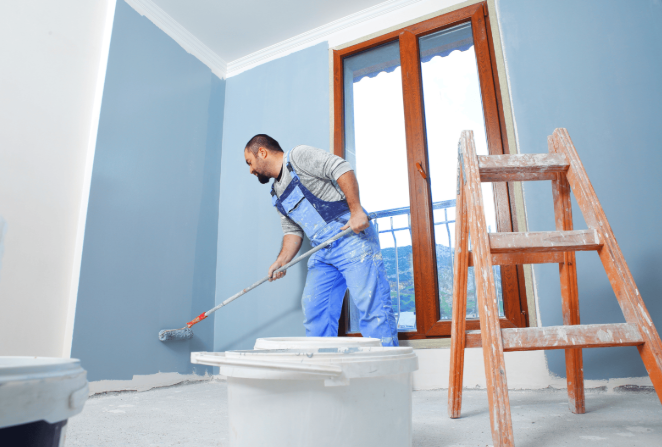
Professional painters often say that preparation is 70% to 80% of the job. After years of working on both historic properties and contemporary homes, it’s easy to see why. The difference between a paint job that lasts two years and one that looks beautiful for a decade often comes down to what happens before the paint can even be opened.
Whether you’re restoring a century-old Colonial in Northeast Ohio or updating a modern custom home, proper preparation is what creates that luxury finish homeowners admire.
Why Prep Work Is the Foundation of Every Great Paint Job
Paint is only as good as the surface underneath it.
Even the highest-quality paint cannot hide peeling layers, moisture damage, nail holes, drywall imperfections, or years of accumulated grime. When shortcuts are taken during preparation, those flaws eventually become visible again.
Professional preparation typically includes:
- Surface inspection
- Cleaning and degreasing
- Drywall and plaster repairs
- Caulking gaps and cracks
- Sanding rough areas
- Priming when necessary
- Protecting floors, fixtures, and furnishings
These steps may not be exciting, but they’re what separate a premium result from a temporary cosmetic fix.
See also: Villas in Dubai Hills: Why This Master Community Is One of Dubai’s Most Desirable Addresses
Historic Ohio Homes Present Unique Challenges
Northeast Ohio is home to countless historic properties, many built between the late 1800s and early 1900s. These homes offer incredible architectural character, but they also require specialized preparation techniques.
Older homes often contain:
- Multiple layers of old paint
- Hairline plaster cracks
- Uneven wall surfaces
- Moisture-related damage
- Wood trim that has expanded and contracted for decades
Applying fresh paint without addressing these issues is similar to placing new flooring over a damaged subfloor. The problems don’t disappear—they simply become hidden temporarily.
A skilled painter in Northeast Ohio understands how older materials behave and knows how to prepare them without compromising the home’s original character.
Modern Homes Require Precision, Too
Many homeowners assume newer homes need very little preparation. In reality, modern construction presents its own challenges.
Today’s interiors often feature:
- Large open-concept spaces
- Smooth drywall finishes
- High ceilings
- Extensive natural lighting
- Minimalist design elements
These design features make imperfections easier to spot.
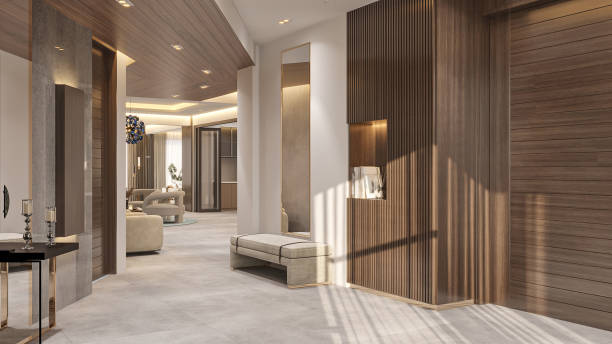
Natural sunlight streaming through large windows can highlight every patch, sanding mark, roller streak, and uneven surface. A wall that appears flawless at night may reveal numerous defects during daylight hours.
That’s why preparation remains essential, regardless of a home’s age.
The Hidden Value of Surface Repairs
One of the biggest differences between average painters and experienced professionals is their attention to surface repairs.
Before painting begins, professionals inspect walls and trim for:
- Dents
- Nail pops
- Settlement cracks
- Water stains
- Previous repair failures
Addressing these issues creates a smooth foundation for paint application.
In luxury homes especially, even small imperfections can detract from the overall appearance. Homeowners may not immediately identify why a room feels unfinished, but they often notice when walls don’t appear perfectly smooth.
The best paint jobs make repairs invisible.
Proper Sanding Creates a Furniture-Like Finish
Sanding is one of the most overlooked parts of the painting process.
Many people associate sanding only with removing old paint, but professionals use it for much more.
Sanding helps:
- Smooth repaired areas
- Remove surface inconsistencies
- Improve paint adhesion
- Create uniform textures
- Enhance final appearance
This step is especially important for trim, doors, cabinetry, and built-in woodwork.
When viewed up close, professionally prepared trim often resembles fine furniture rather than painted construction materials. That’s one of the hallmarks of a luxury finish.
Primers Are Not Optional in Many Situations
One common mistake homeowners make is assuming paint and primer combinations eliminate the need for dedicated primers.
While paint technology has improved significantly, primers still serve critical purposes.
Professional painters often use primers when:
- Covering dark colors
- Painting over repairs
- Sealing stains
- Addressing water damage
- Transitioning between different paint types
- Preparing bare wood surfaces
Skipping primer may save time initially, but it can lead to inconsistent coverage, flashing, and premature paint failure.
An experienced painter in Northeast Ohio knows when specialized primers are necessary and which products deliver the best long-term performance.
Why Moisture Inspection Matters in Ohio
Ohio’s climate presents unique challenges for interior and exterior painting projects.
Seasonal humidity fluctuations, snow, rain, and freeze-thaw cycles can create moisture-related issues that aren’t immediately visible.
Before painting, professionals often inspect for:
- Water intrusion
- Condensation damage
- Window leaks
- Basement moisture migration
- Exterior wood deterioration
Painting over moisture problems doesn’t solve them. In fact, it can accelerate paint failure and increase repair costs later.
Identifying these issues early protects both the paint investment and the home’s structural integrity.
A Real-World Example: Historic Home Restoration
Consider a historic Northeast Ohio home built in the 1920s.
The homeowner initially requested a simple repaint of the main living areas. Upon inspection, the painting team discovered multiple layers of old paint, several plaster cracks, and signs of previous patchwork repairs.
Instead of painting immediately, the team spent several days:
- Repairing plaster surfaces
- Sanding uneven transitions
- Re-caulking trim
- Priming repaired areas
- Correcting previous paint failures
The final finish looked dramatically different than a standard repaint.
Walls appeared smoother, trim lines looked sharper, and the entire space reflected light more evenly. Visitors often assumed significant remodeling had taken place when, in reality, the transformation came largely from meticulous preparation.
Luxury Finishes Are Built Layer by Layer
Many homeowners focus heavily on paint brands and color selection. While those decisions matter, the luxury appearance people admire usually comes from the process rather than the product alone.
Professional preparation creates:
- Sharper paint lines
- Smoother wall surfaces
- Better color consistency
- Improved durability
- Longer-lasting results
The difference becomes even more noticeable over time. Well-prepared surfaces continue looking attractive years after completion, while poorly prepared projects often show signs of wear much sooner.
Choosing the Right Painting Professional
Not all painting estimates include the same level of preparation.
When evaluating contractors, ask questions such as:
- How will surface repairs be handled?
- What sanding process is included?
- Will primer be used where necessary?
- How are cracks and gaps addressed?
- What preparation steps are included before painting begins?
The answers often reveal whether you’re comparing a cosmetic repaint or a true professional finish.
A reputable painter in Northeast Ohio will typically spend significant time discussing preparation because they understand its impact on the final result.
The Takeaway
Beautiful paint doesn’t begin with color—it begins with preparation.
Whether you’re preserving the character of a historic Ohio property or enhancing a modern home’s clean architectural lines, professional prep work is what transforms a standard paint project into a luxury finish.
The smooth walls, crisp trim, and long-lasting durability homeowners admire are rarely the result of paint alone. They’re the product of careful inspection, detailed repairs, proper priming, and meticulous surface preparation.
Before choosing your next painting contractor, don’t just ask what paint they’ll use. Ask how they’ll prepare the surfaces. The answer will tell you far more about the quality of the finished project than any paint color ever could.